Finding the Right St. Louis Architecture Firm for Innovative Design Solutions
Finding the Right St. Louis Architecture Firm for Innovative Design Solutions
Blog Article
Premier Architecture Practice: Developing Creative Spaces for Present-day Living
Prominent architecture firms are reshaping the concept of contemporary life through state-of-the-art designs. They focus on merging functionality with sustainability, addressing urban challenges and changing lifestyles. These firms employ intelligent systems and eco-friendly resources to create flexible spaces. As they prioritize social engagement and durability, the impact of their work extends past aesthetics. What are the particular patterns and practices that characterize their methodology? The answers may astonish many.
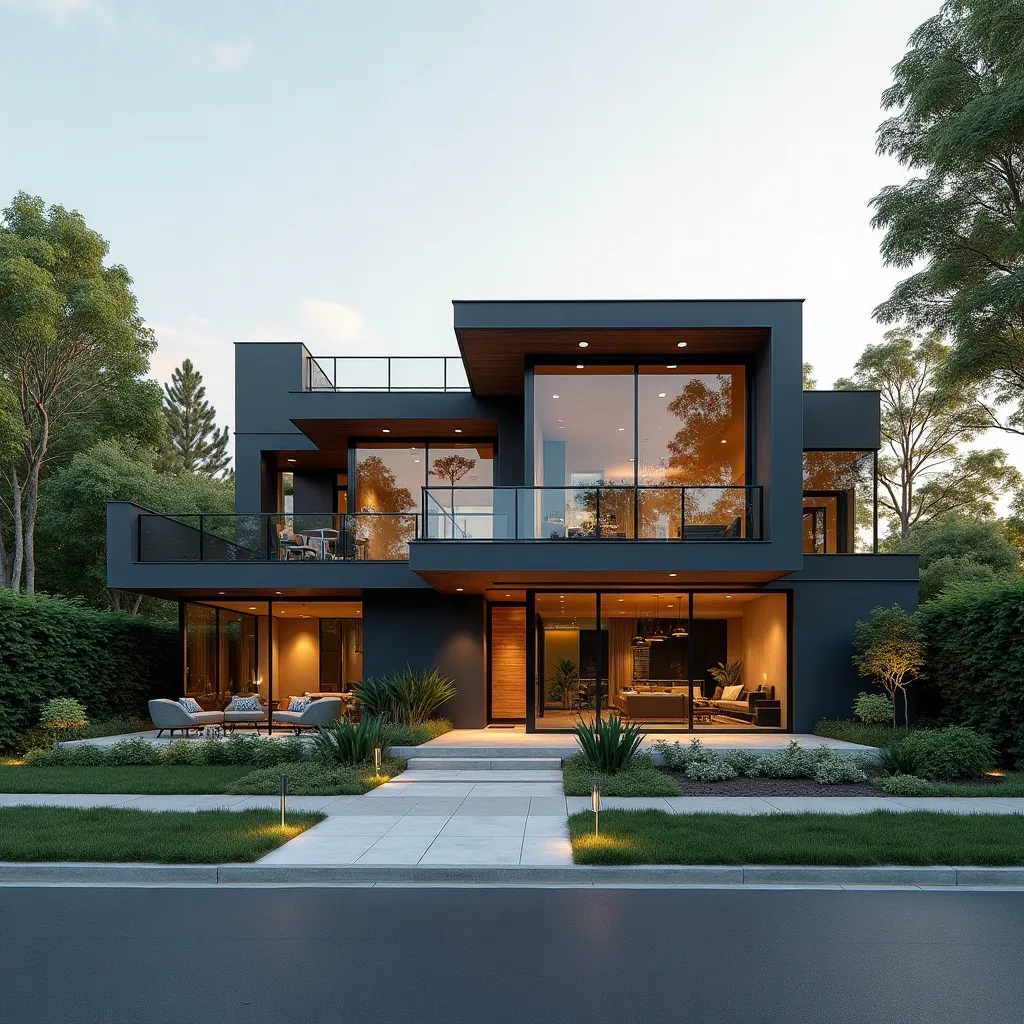
Building Design Companies: Key Contributors in Modern Lifestyle
With urbanization quickly advancing, architecture firms function as a essential force in creating modern living environments. These firms are not simply architects; they are innovators who combine functionality, sustainability, and aesthetics into their projects. By partnering with urban planners and communities, they create spaces that capture contemporary lifestyles while fulfilling the needs of diverse populations.
Architecture firms employ cutting-edge materials and tech solutions to improve energy efficiency and reduce environmental impact, adhering to global sustainability goals. They emphasize user experience, designing spaces that foster social interaction and well-being.
Additionally, these firms are accomplished in traversing regulatory frameworks, ensuring designs follow local codes while pushing creative boundaries. Their influence extends beyond individual buildings, influencing cityscapes and strengthening overall quality of life. Through deliberate design, architecture firms not only respond to current demands but also forecast future trends, making them indispensable players in the evolution of urban living.
Key Challenges in Modern Architectural Design
Modern building design faces significant challenges, primarily in sustainability and ecological footprint. The incorporation of advanced technologies further complicates the design workflow, requiring flexibility to rapidly changing construction techniques and approaches. Tackling these problems is crucial for developing spaces that satisfy contemporary needs while remaining environmentally responsible.
Sustainable Practices and Environmental Impact
Sustainability and environmental impact have become critical problems in contemporary architectural design, driven by the urgent need to address climate change and resource depletion. Architects face the obligation to minimize carbon footprints while maximizing energy efficiency in their projects. This involves employing sustainable materials, optimizing water usage, and integrating green spaces within urban environments. The challenge lies in reconciling aesthetic aspirations with ecological responsibility, often requiring innovative solutions that rethink traditional building practices. Additionally, regulatory frameworks and client expectations can complicate the pursuit of sustainable design. As architects aim for harmony between human habitation and natural ecosystems, the integration of sustainable practices becomes essential for creating resilient, adaptable spaces that meet the needs of future generations.
Digital Integration and Adaptability
While the rapid advancement of technology presents promising opportunities for architectural design, it also presents considerable obstacles in maintaining flexibility within built environments. Architects must manage the complexities of incorporating smart technologies, such as IoT systems and energy-efficient solutions, while guaranteeing structures remain adaptable to future changes. This requires a thoughtful approach to design that balances aesthetics with functional longevity. Additionally, the rapid speed of technological innovation can lead to obsolescence, encouraging architects to reflect on interchangeable elements that can be easily updated or replaced. Partnership with engineers and technology experts is crucial to create spaces that not only satisfy current needs but also anticipate future demands. Ultimately, the ability to adapt is essential for innovative and sustainable architectural solutions.
Premier Architecture Firms and Their Contemporary Design Trends
As design practices continue to evolve, leading practices are redefining the boundaries of design with innovative approaches that combine functionality and aesthetics. One prominent trend observed among top architecture firms is the emphasis on open floor plans, promoting connection and adaptability in modern living spaces. Additionally, the incorporation of biophilic design elements, which incorporate organic elements and plants, improves the overall well-being of occupants.
A major development involves the implementation of modular building methods, enabling rapid assembly and adaptability to different settings. Architects are increasingly focusing on people-centered approaches, customizing areas to meet the specific requirements of people and groups.
In addition, the adoption of smart technology is modifying traditional architectural practices, fostering enhanced user interaction and energy efficiency. Via these state-of-the-art design concepts, top architecture firms are guiding the future of living spaces, generating environments that are not only visually appealing but also highly functional.
Forward-Thinking Responsible Practices in Building Science
In the field of building design, innovative sustainable practices are becoming increasingly essential. Architects are now prioritizing sustainable construction materials, adopting energy-efficient design strategies, and embracing waste minimization methods. These strategies not only enhance the ecological footprint of buildings but also promote long-term sustainability in the industry.
Sustainable Construction Materials
An increasing number of architects are utilizing green building materials as important elements of sustainable design. These materials, often sourced from renewable resources, reduce environmental impact while enhancing aesthetic appeal. Innovations including bamboo, reclaimed wood, and recycled metals are progressively selected for their strength and low carbon footprint. Furthermore, manufacturers are designing environmentally friendly alternatives to traditional materials, such as low-VOC paints and non-toxic insulation choices. The use of these materials both supports environmental stewardship and fosters healthier living spaces through the reduction of harmful emissions. Architects are increasingly understanding that mindful selection of green building materials can result in a more responsible construction approach, ultimately benefiting both occupants and the planet.
Energy-Saving Design Techniques
The choice of eco-friendly construction materials paves the way for implementing energy-efficient design strategies in architecture. Designers are progressively integrating passive solar design, which maximizes daylight and reduces energy use. Orientation of buildings is carefully considered to enhance solar exposure while reducing thermal loss. Moreover, advanced insulation and high-efficiency windows are employed to enhance temperature comfort and reduce dependence on heating and cooling systems. Adding clean energy sources, such as solar panels, additionally promotes environmental objectives. Additionally, smart building technologies allow real-time energy monitoring, ensuring optimal resource use. These approaches together result in lower energy use and a smaller carbon footprint, demonstrating a dedication to eco-conscious living in contemporary architecture.
Waste Cutting Procedures
Implementing waste reduction techniques is important for supporting green building in architecture. Leading firms are increasingly adopting practices that lower material waste throughout the design and construction operations. Techniques such as modular design allow for prefabrication, reducing excess materials and streamlining construction timelines. In addition, architects are prioritizing the use of reused or reclaimed materials, thereby cutting the demand for new resources. Waste audits during construction help identify areas for improvement, helping firms to track and reduce their waste output effectively. Moreover, integrating design for disassembly principles provides that buildings can be easily repurposed or recycled at the end of their lifecycle. These innovative approaches not only contribute to environmental sustainability but also raise the overall efficiency of architectural projects.
Reimagining Architecture By Tech Solutions
Reshaping the architectural industry, technology presents novel techniques and systems that redefine design procedures and results. Sophisticated software allows architects to visualize concepts in 3D, enabling better dialogue with clients and stakeholders. Building Information Modeling (BIM) enhances collaboration, allowing various disciplines to coordinate seamlessly throughout a project's lifecycle.
Additionally, new technologies like virtual and AR provide immersive experiences, enabling clients to experience designs before construction commences. Automation in construction optimizes efficiency, reducing time and costs while improving precision.
Green solutions including performance-based materials and automated living systems integrate seamlessly into contemporary designs, promoting eco-conscious practices. As design professionals steadily adopt these advanced innovations, the field undergoes a paradigm transformation, promoting innovative approaches that address contemporary challenges. Ultimately, technology not only improves aesthetic potential but also reshapes how environments are conceptualized, built, and perceived.
Effect of Design Patterns on Day-to-Day Lifestyle
As technology reshapes architectural practices, design trends increasingly influence daily living experiences. Contemporary approaches prioritize open floor plans and multifunctional spaces, promoting flexibility and adaptability in urban environments. This shift allows residents to maximize their living areas, fostering a sense of community and engagement.
Green materials and energy-efficient designs are also surging in demand, reflecting a mounting societal concern regarding environmental responsibility. These trends not only maximize aesthetic appeal but also strengthen healthier living conditions through upgraded air quality and natural light exposure.
Furthermore, intelligent home automation systems is revolutionizing how people interact with their spaces, providing ease and productivity. By responding to the changing needs of contemporary living, design demonstrates broader societal changes and improves general quality of life. Ultimately, the influence of design trends on daily living is significant, shaping how people interact with their surroundings and each other in purposeful ways.
Selecting the Ideal Architecture Firm for Your Needs
How does one navigate the choice of the right architecture firm? This choice involves several essential factors. First, prospective clients should assess the firm's portfolio to ensure its aesthetic approach aligns with their goals. Next, evaluating the firm's expertise in specific project types, such as residential, commercial, or sustainable design, can provide understanding into their expertise.
Client endorsements and feedback present important insights on the firm's collaborative approach and reliability. Additionally, evaluating the firm's project oversight and interaction methods is essential; strong communication can greatly influence the project's success.
Budget considerations are also paramount; clients should review fee structures in advance to prevent conflicts later. Finally, personal connection with the architects can improve collaboration throughout the design process. By carefully weighing these factors, clients can make well-considered decisions, ultimately leading to a successful partnership that meets their architectural needs.
Often Posed Inquiries
In What Ways Do Architecture Firms Obtain Customer Approval Across Initiatives?
Architecture firms guarantee client contentment by keeping lines of communication transparent, integrating client input, setting realistic timelines, delivering view resource consistent progress reports, and producing superior design solutions that correspond to client visions, ultimately building confidence and teamwork throughout the entire project duration.
Which Requirements Should I Identify in an Architect?
When choosing an architect, one should consider their credentials, experience, collection of work, communication skills, and ability to understand client needs. Also, familiarity with local regulations and environmentally responsible methods can improve project deliverables and client fulfillment.
What Amount Should You Plan for Design and Planning Services?
Architectural services normally run from $100 to $250 per hour, contingent upon the firm's reputation and the intricacy of the work. Set rates for defined projects might be available, typically totaling 5% to 15% of development expenditures.
Can I Engage Directly With the Architect On My Project?
Yes, working directly with the architect is often possible. Many firms promote client participation to guarantee projects showcase personal ideas, building communication and alignment throughout the design process for ideal results and satisfaction.
What Are the Typical Stages and Schedule for an Design Project?
The standard schedule for an building project varies, typically ranging from many months to a number of years. Components affecting this length consist of complexity of the project, approval processes, and client input, which all impact the overall timetable.
Report this page